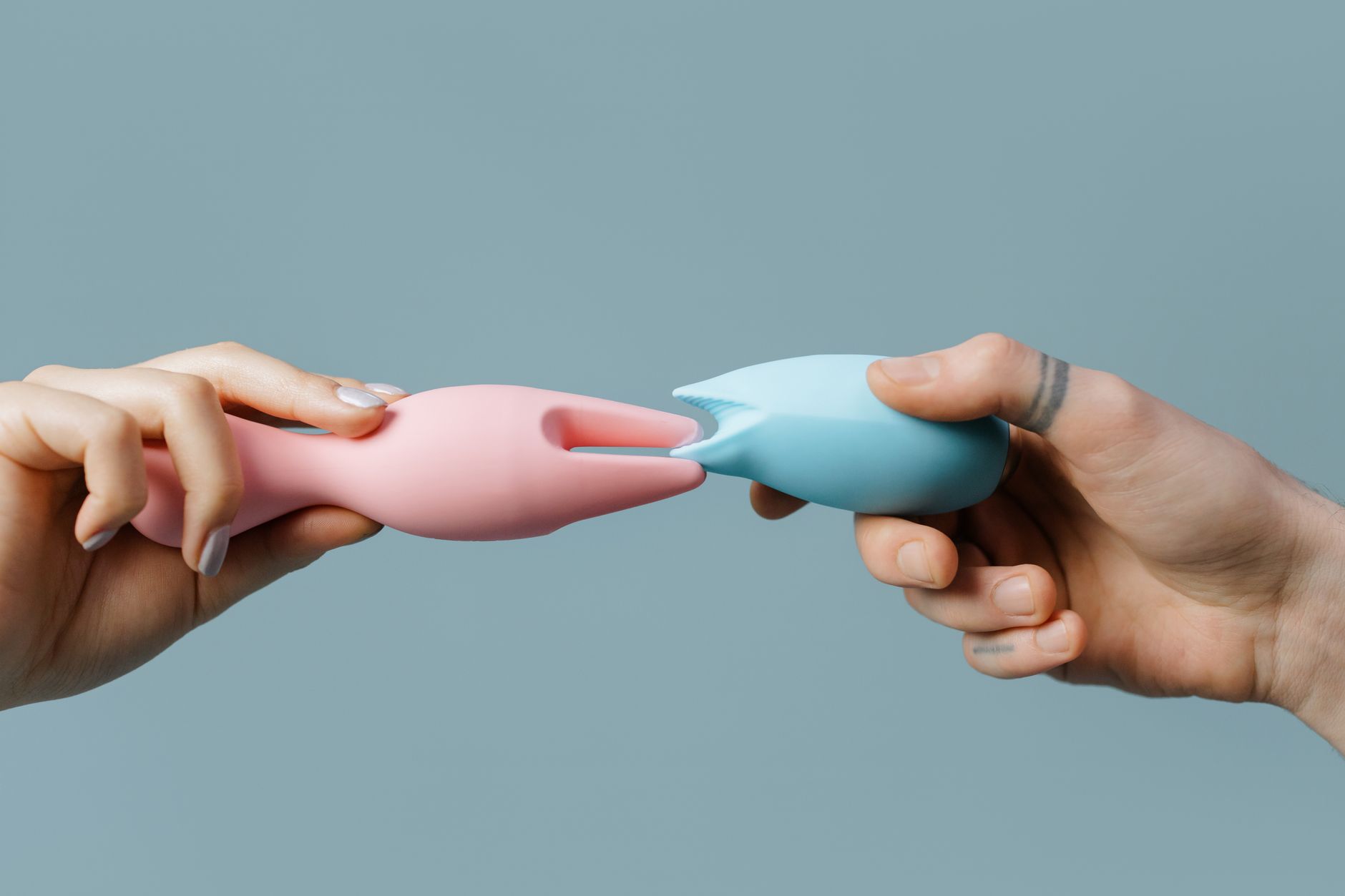
The thing nobody tells you about getting back together
When you've been apart from a partner for months, or longer, there's this unspoken pressure that intimacy should just snap back into place the moment you're in the same room again. It doesn't. Your body has spent time alone. Your brain has rewired around a different rhythm. And honestly? That's not failure. It's just biology and psychology doing what they're supposed to do.
Rebounding from a break, whether it was weeks of long distance, a intentional pause, or the aftermath of a separation that nearly ended things, requires meeting yourself where you actually are. Not where you were before the break. Not where you think you should be. Where you are right now.
That's where lemon vibrators come in. Not as a band-aid over real intimacy work, but as a tool for rediscovering your own baseline pleasure so that partnered sex doesn't feel like performing a rusty dance you used to know.
Why your body feels like a stranger right now
When you're not regularly touching yourself or being touched, the neural pathways that fire during arousal get quieter. Your clitoris doesn't lose sensitivity. Your capacity for orgasm doesn't vanish. But the speed at which your body goes from zero to aroused? That slows. The range of sensations that feel good? That narrows. It's like a musician who hasn't practiced in a while. The skill is still there. The muscle memory needs refreshing.
Add in the emotional weight of reunion, and things get messier. You might feel vulnerable. You might worry that your body isn't what your partner remembers. You might be grieving the time that was lost. All of that lives in your nervous system, and nervous systems don't just turn off when sex is supposed to happen.
What most couples don't realize is that solo pleasure work before you try partnered sex makes the whole thing easier. Not because you need to be "warmed up" by the time your partner arrives. But because you need to know, with certainty, that your body still works. That it still feels good. That you're still you.
Starting the conversation with yourself, not your partner
Before you even think about sex with your partner again, you need a conversation with your own body. This sounds woo-woo. It's not. It's just acknowledging that you've been in different mode, and you need to ask yourself what pleasure looks like now.
Set aside 30 minutes when you won't be interrupted. No agenda. No goal of having an orgasm. This is about curiosity. What parts of your body want touch? Does it feel good the same way it did before, or does the intensity feel different? Are there new sensations or positions that appeal to you now that didn't before?
If you're using a lemon clitoral vibrator for this, start on the lowest setting. Let yourself explore slowly. There's no timer. If your brain gets loud with thoughts about your partner or guilt about the time apart, that's normal. Notice it and come back to the sensation. Your body isn't being selfish by taking this time. It's being practical.
How lemon vibrators specifically help with reconnection
Clitoral suction toys like the lemon vibrator work differently than traditional vibrators. Instead of a rapid in-and-out motion, they create gentle suction around the clitoris. For someone rebuilding their pleasure baseline after time apart, this matters.
Suction feels more diffuse than direct stimulation. It's less intense on the entrance, which means if you're nervous about sensation or worried about how your body will respond, you have more control. You can start at setting one and stay there for as long as you need. You're not bracing for intensity you don't want yet.
The other thing: suction feels closer to what partnered touch might feel like. Gentle. Sustained. It engages the clitoris without feeling clinical. For someone who's been away from pleasure, that gentleness is permission. Your body doesn't have to earn back its capacity in one session.
Building your solo pleasure back into a routine
Reconnection isn't a one-time conversation with yourself. It's a practice. I recommend touching yourself with intention at least three times a week while you're rebuilding your relationship.
Week one, the goal is just to get comfortable again. Low settings on your lemon vibrator. Slow. No pressure to come. Some days you will, some days you won't. Both are fine.
Week two, experiment. Try different positions. Notice if you prefer your vibrator when you're lying down versus sitting. See what rhythm feels good on different days. Your body is remembering.
Week three and beyond, you'll probably notice that arousal is returning faster. That specific sensations feel electric again. That your body remembers what pleasure is supposed to feel like. That's when you know you're ready for the conversation with your partner about partnered sex.
What to actually tell your partner
This is the hard part because it requires vulnerability. But here's what your partner needs to know: your body has changed slightly. Not fundamentally. Just slightly. And you need them to understand that rebuilding intimacy together isn't about picking up where you left off. It's about building something new that fits who you both are now.
You don't need to explain your solo pleasure work in detail. But you might say something like: "I've been reconnecting with my own body, and I want us to go slower than we used to. That doesn't mean I don't want you. It means I want us to really pay attention to each other."
That shifts the entire dynamic. Instead of sex being a performance or a "getting back on track," it becomes intimate. Collaborative. Honest.
Some couples find that incorporating toys into partnered sex makes the reconnection easier. If you feel comfortable, bring your lemon vibrator into the bedroom once you've both rebuilt some basic touch. Let your partner see what brings you pleasure. Let them hold it. Use it on you. The tool becomes a communication device, not a replacement.
When the emotional blocks are bigger than the physical ones
Sometimes what keeps couples from reconnecting after a break isn't physical friction. It's grief. Resentment. Fear that the break revealed something real that you can't unsee. A lemon clitoral vibrator won't fix that.
If you find that even solo pleasure feels blocked, or if your brain goes to dark places when you try to reconnect, that's a sign that couples therapy or individual work might be the first step. Pleasure should feel possible, even if it takes some time. If it feels impossible, something deeper is asking for attention.
The rhythm of real reconnection
Rebuild solo pleasure first. Then build partnered touch slowly. Then, when you're both ready, rebuild sex. It's not glamorous. It doesn't look like a reunion scene in a movie. But it works because it respects what actually happened: you were apart, and now you're learning each other again.
Using a tool like a lemon vibrator during this process isn't about skipping the emotional work. It's about giving your body the information it needs to trust that pleasure is still there, waiting for you. Once your body knows that, the rest becomes possible.
People also ask
How long does it usually take to rebuild sexual confidence after a relationship break?
There's no universal timeline, but most couples find that reconnecting with solo pleasure takes two to four weeks, and then rebuilding partnered intimacy takes another four to eight weeks. That assumes the break didn't happen because of betrayal or trauma. If there's that kind of wound, healing takes longer. Work with a therapist if you're uncertain.
Can using a vibrator solo make it harder to reconnect with my partner?
No, the opposite. When you use your lemon vibrator alone first, you're showing your partner exactly what pleasure looks like for you. That information makes partnered sex easier, not harder. Your partner will actually appreciate knowing what settings and sensations work, rather than guessing.
What if my partner feels threatened by me using a vibrator while we're rebuilding?
That reaction usually comes from insecurity or a misunderstanding about what toys are for. You might frame it as: "I want to rediscover my own pleasure so that when we're together, I'm present and responsive, not anxious about whether my body still works." If your partner resists that after the conversation, that's a separate issue worth exploring with a couples therapist.
Should I use my vibrator during partnered sex right away, or wait?
Wait a few weeks. First, reconnect with your own solo pleasure. Then, reconnect with nonsexual touch with your partner. Then, when you're both comfortable, you can introduce toys into partnered sex. This pacing prevents the vibrator from becoming a crutch or a substitute for building basic physical trust.
Is it normal to not feel as much arousal from a lemon vibrator right after a break?
Completely normal. Your nervous system is probably still in recovery mode. Start with the lowest settings and longer sessions. Your sensitivity will return. Give it time.
What if we got back together but something feels fundamentally different now?
That's worth paying attention to. Sometimes a break reveals that you've grown in different directions, or that trust is harder to rebuild than you expected. Pleasure work alone won't fix that. Be honest with yourself and your partner about whether you're trying to recreate something that's genuinely broken, or if you're rebuilding something new.