The schedule mismatch nobody talks about
One partner is a night person. The other crashes at 9 PM. One works early shifts. The other works late. One has a sex drive that peaks on Tuesday mornings. The other's is strongest after wine on Friday nights. You love each other. You live together. And somehow you have almost no overlapping hours when you're both awake, alert, and interested in the same thing at the same time.
This is not a sign your relationship is broken. This is just being human in 2026.
But here's what most couples do: they treat the schedule mismatch as an obstacle to be overcome instead of a design constraint to work within. They try to force alignment. They feel guilty. They start seeing their different rhythms as rejection. And then sex becomes another failure both people are carrying around.
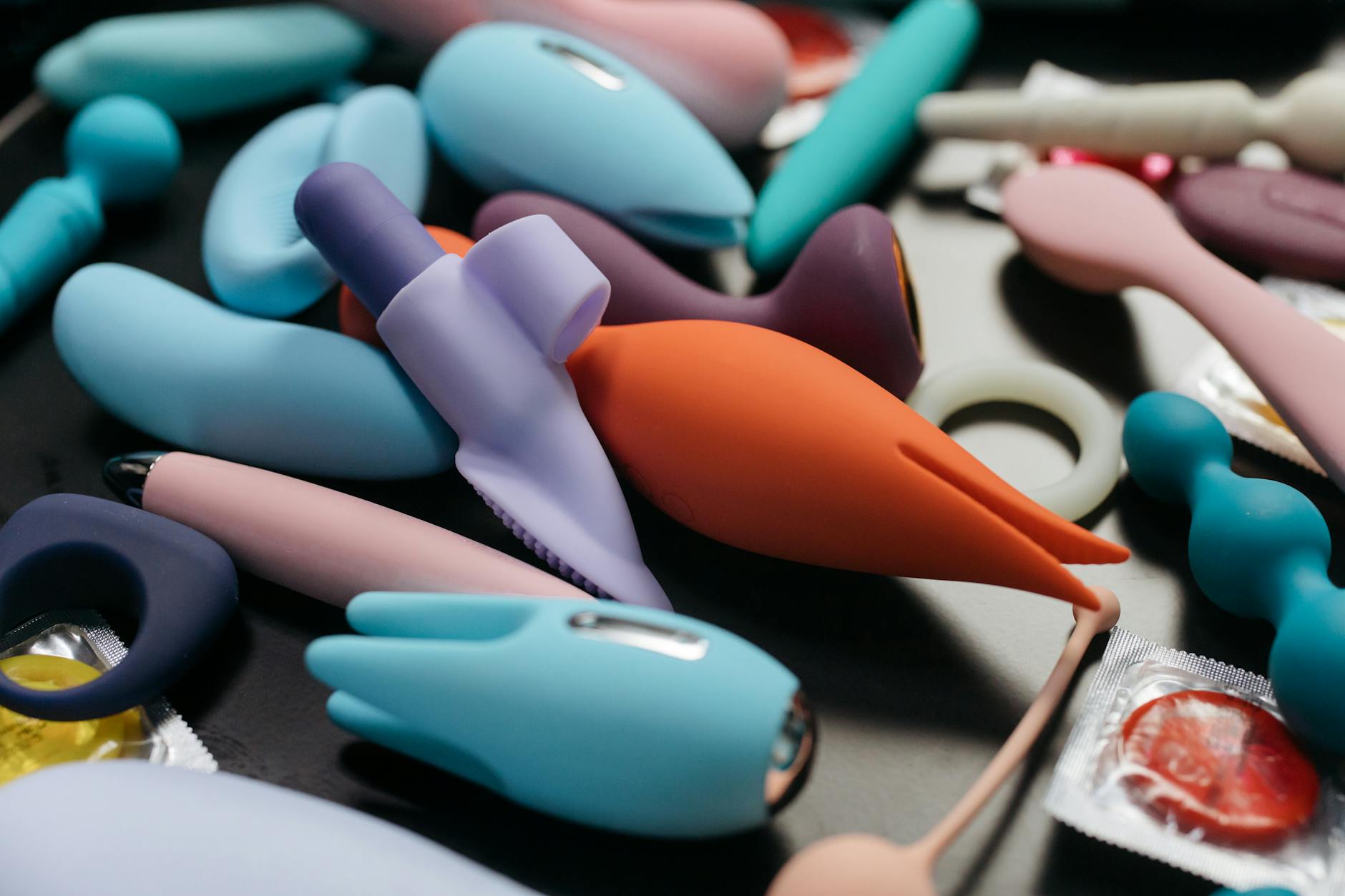
There's a better way, and it starts with thinking about lemon clitoral vibrators not as a tool for couples sex, but as a way to reclaim pleasure on your own timeline without sacrificing connection.
Why mismatched schedules feel like intimacy sabotage
When your partner's peak desire hours don't overlap with yours, a few things happen psychologically. First, whoever is more available starts to feel like they're always initiating, which over time reads as desperation instead of desire. Second, the person with the later peak gets framed as "not interested," which is cruel and inaccurate. They're interested. They're just interested at 11 PM when you're already asleep.
The third thing is the most dangerous. You both start thinking that "real" intimacy requires simultaneous desire. It doesn't. But couples therapy and relationship advice rarely separate the two. They treat desire sync as a prerequisite for connection, when what they should be teaching is that asynchronous desire is actually the norm, and working with it is a skill.
I work with couples where one partner is morning-sex energized and the other genuinely cannot think about pleasure before noon. I've worked with people on opposite shift rotations, opposite continents for months at a time, with radically different libidos. The ones who stop trying to be synchronized and start strategizing instead? They report better sex, more frequent intimacy, and less resentment. They also talk about lemon vibrators a lot.
The framework that actually works
Think of your intimacy as having three channels instead of one.
Channel One: Partnered sex. This happens when both of you are available and interested. It might be weekly, twice a month, or once every three weeks. It's not about frequency. It's about quality and it requires actual alignment. This is where you might use a lemon sucker together, where your partner's involvement is active and mutual.
Channel Two: Solo pleasure with awareness. You're using a clitoral vibrator on your own schedule. Your partner knows you're doing it. You might tell them about it later, might not. But it's not hidden and it's not a replacement for them. It's you meeting your own needs on your timeline. A lemon vibrator here is powerful because it's quick, efficient, and gives you autonomy without requiring negotiation.
Channel Three: Touch and affection that has nothing to do with sex. This is where couples with mismatched schedules often fail. They assume that because sex isn't happening, intimacy isn't happening. So they stop touching. They stop undressing in front of each other. They stop being physically affectionate because it feels "unfair" if it doesn't lead to sex. This is where the relationship actually breaks. Channel Three has to stay open even when Channels One and Two are dormant.
Most couples in schedule misalignment are trying to make all three things happen at once and in sync. That's why it feels impossible. The framework that works is this: keep Channel Three constant and non-negotiable. Channel One happens when both people genuinely align. Channel Two happens whenever you need it.
How lemon vibrators fit into asynchronous intimacy
Here's the thing about air-suction clitoral vibrators like the Lem. They're designed for efficiency and intensity. You don't need an hour. You don't need your partner to be in a specific mood. You don't need to warm up for 20 minutes. Five to ten minutes. That's often all you need.
For someone with a mismatched schedule, this is transformative. Your partner goes to bed. You stay up. Instead of scrolling, instead of feeling abandoned or frustrated, you use a lemon vibrator solo. You orgasm. You feel better. Your nervous system settles. The resentment that builds when sexual needs go unmet just... doesn't start.
This isn't replacing partnered sex. This is preventing the slow erosion of intimacy that happens when one person's needs are routinely ignored because of timing.
The second way lemon vibrators help is during those rare aligned moments. If you know that one of you is often tired or not naturally aroused at the partner's peak time, using a lem vibrator for solo warmup beforehand changes everything. The person with the later peak can use it alone for 10 minutes to get their body online, and then partnered sex becomes possible because they're actually physically aroused, not just cooperating.
I've also worked with couples where one person uses a lemon clitoral vibrator during partnered sex itself. Partner A is stimulating internally. Partner B is using the Lem on external tissue at their own pace, with their own timing. This solves the "my partner doesn't come from what I'm doing" problem that plagues so many couples. Everyone gets stimulation that actually works for their body. Everyone gets to come. Timing becomes irrelevant.
The communication piece (the part that actually matters)
None of this works if you're not talking about it. And most couples aren't.
The conversation doesn't have to be clinical. It's not "we need to discuss our asynchronous sexual scheduling." It's simpler. It's "I notice we're never both awake and interested at the same time. That's not a problem, but let's talk about how we want to handle it."
Then you name the three channels. You say: "I still want us to have sex when we're both into it. But I also don't want to stop having pleasure just because we're not synced up. And I want us to stay physically affectionate even in the weeks when sex isn't happening." Then you get specific.
"I'm going to use a vibrator on mornings when you're still asleep, and that's going to make me happier and less resentful." "I want you to feel free to do the same." "We're still touching you without clothes sometimes, right?" "Of course."
This conversation takes maybe 20 minutes. It prevents years of slow resentment.
The couples I've worked with who incorporated lemon vibrators into their framework also report something unexpected. When one partner knows the other is taking care of their own needs, they feel less pressure. The person who was initiating all the time suddenly doesn't feel responsible for their partner's pleasure. And weirdly, that leads to more partnered sex, not less. Because now sex is something you're both choosing, not something one person is trying to drag the other toward.
When to reach out for more support
If your schedule mismatch is the entire reason you're not having sex, this framework helps. But if there's deeper disconnect underneath the timing issue, that's a different conversation.
Some couples use mismatched schedules as cover for real problems. resentment about unequal household labor. Different values around sex and pleasure. Past infidelity. One person's lower libido isn't about timing, it's about the relationship. In those cases, a lemon vibrator isn't the solution. A couples therapist is.
But if you genuinely love your partner, you're generally attracted to them, and the only real problem is that you're literally never awake at the same time wanting sex—this framework works. It's not a compromise. It's actually more intimate in some ways because it requires radical honesty about what you actually need, when you need it, and how you're willing to get there.
Frequently asked questions
Is using a vibrator solo cheating if my partner doesn't like it?
No. But if your partner has expressed discomfort with vibrator use, you have a real conversation to have—not about whether you get to use one, but about what's underneath their discomfort. Is it a religious belief? Fear of inadequacy? A boundary about privacy? Those are different problems with different solutions. Most of the time, when partners resist their partner's solo vibrator use, it's coming from insecurity, and the antidote is reassurance and transparency, not secrecy or prohibition.
What if my partner wants to use a lemon vibrator on themselves but I'm jealous?
Jealousy about vibrators almost never means "I'm threatened by the toy." It usually means "I'm insecure about my ability to satisfy my partner" or "I feel neglected." Those are legitimate feelings. But the solution isn't preventing your partner from using a vibrator. It's working on the underlying disconnect. That might mean scheduling dedicated time together. It might mean getting more direct feedback about what feels good. It might mean using the vibrator together. But preventing your partner from having solo pleasure because you're insecure only builds resentment.
Can a couple use a lemon vibrator together even if they're on different schedules?
Absolutely. The best use case I see is when the partner with the earlier peak time uses the vibrator on their partner as foreplay, then they have partnered sex. Or they use it together while one partner is manually stimulating the other. The beauty of the Lem and similar clitoral vibrators is that they're designed for external stimulation, so they integrate easily into partnered sex without replacing it.
What if one partner travels for work frequently?
Schedule mismatch gets amplified when someone's physically absent half the month. In those relationships, Channel Two (solo pleasure with awareness) becomes especially important because you might only have aligned windows once a month. Using a clitoral vibrator solo when your partner is away isn't a replacement for partnership—it's a way to keep your own body and nervous system regulated so the time you do have together is better. Long-distance couples I've worked with who have normalized solo vibrator use report actually better sex when they're together because they're both more present, less frustrated.
Does using a vibrator together hurt the relationship?
No. In fact, the research on couples who use vibrators together shows higher satisfaction, more frequent sex, and better communication. The couples it hurts are ones where vibrator introduction becomes a power move or a surprise or is framed as "my partner isn't enough." But when both people choose it and talk about why, it's consistently associated with better outcomes.
What if I want to use a vibrator and my partner is asleep—how do I make sure that's okay?
You ask first. You don't sneak. You say, "I'm going to go to the other room and use a vibrator for a bit. That okay?" Nine times out of ten, your partner will say yes and go back to sleep. But that conversation happens before, not after. It's a form of respect that also communicates that you're not trying to hide anything or make them feel neglected.
The real point
Mismatched schedules are real. They're frustrating. They're also completely workable if you stop thinking of them as an intimacy problem and start thinking of them as a logistics problem. The solution isn't forcing synchronization. It's building a framework that honors both your needs and your partner's needs without requiring you to be on the same clock.
Lemon vibrators and other clitoral vibrators are one tool in that framework. But they only work if you're also keeping Channels One and Three open. You're still having partnered sex when you can. You're still touching each other without clothes sometimes. And you're both taking responsibility for your own pleasure instead of waiting for the stars to align.
If your schedule mismatch is the surface issue but there's something deeper underneath, please reach out. A conversation with a couples therapist can help you figure out what's really going on. You can contact Hello Nancy for resources and recommendations.
Your pleasure matters. Your partner's pleasure matters. And the timeline you're both on matters too.